Bonded Storage and the Chain of Custody
Temperature history, storage, insurance and custody determine whether a collection can retain its quality and credibility. A label alone does not establish the condition of what is inside.
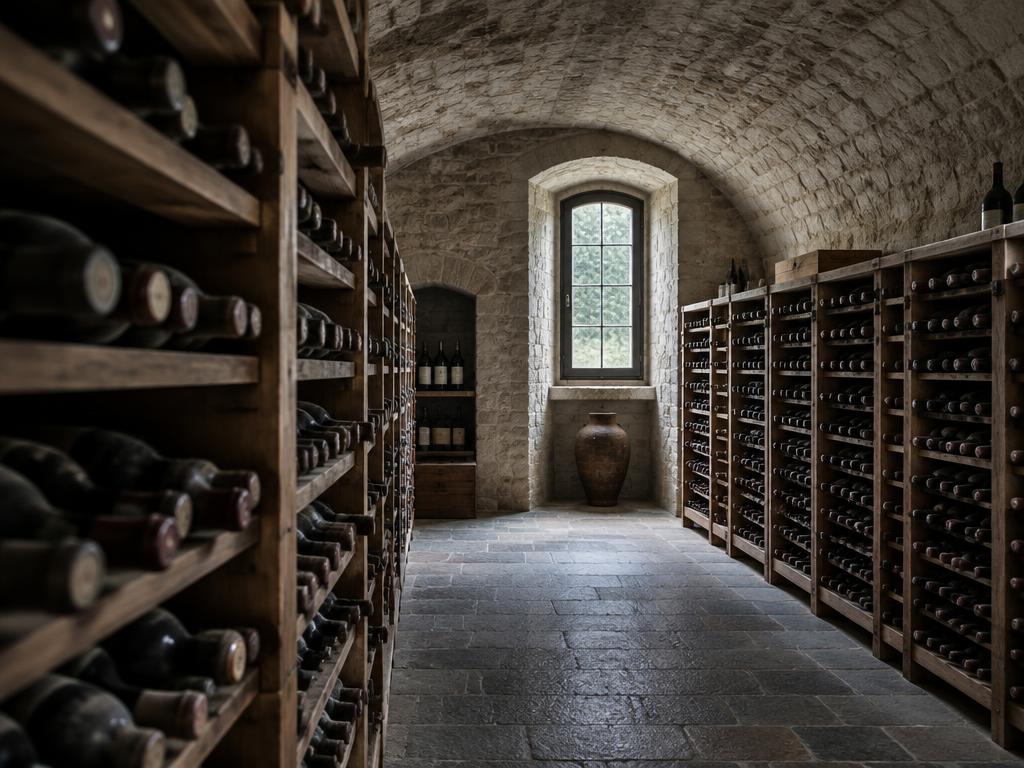
Temperature history, storage, insurance and custody determine whether a collection can retain its quality and credibility. A label alone does not establish the condition of what is inside. The question explored in “Bonded Storage and the Chain of Custody” is not simply what an exceptional asset costs, but what it asks of its owner.
Temperature history, storage, insurance and custody determine whether a collection can retain its quality and credibility. A label alone does not establish the condition of what is inside. For families and professional advisers, a considered approach starts by separating three things: the purpose of an acquisition, the evidence supporting it and the responsibilities that follow.
Looking beyond the headline value
The markets and quiet infrastructure of liquid collections. A valuation captures one interpretation at a particular moment. It does not necessarily describe the cost of holding the asset, the time required to realise a sale or the choices available when circumstances change.
That distinction is especially important in specialist markets. A small number of transactions, differences in condition and private negotiations can make comparisons difficult. Evidence needs to be examined in context, rather than reduced to a single benchmark.
“The most important ownership decisions are often made before the acquisition.”
For fine wine & spirits, the practical work deserves the same attention as the object itself. Documentation, independent expertise and a clear record of decisions create a foundation that can survive a change of adviser, custodian or generation.
Ownership as a continuing discipline
Begin with use. Is the asset intended for enjoyment, preservation, cultural significance or financial participation? Those objectives may overlap, but they are not interchangeable. A structure optimised for one purpose may create unnecessary friction for another.
Then consider time. Responsibilities accumulate over an ownership period: maintenance, insurance, specialist advice and periodic reassessment. The right plan makes those obligations visible without allowing them to obscure the reason for ownership.
The questions worth asking
What evidence supports the description and valuation? Who has responsibility for care and custody? What happens if the owner’s needs change? And how will the asset move to a new owner or the next generation?
These are not arguments against collecting or enjoying exceptional assets. They are an argument for treating ownership with the same care that goes into recognising something exceptional in the first place.
Editorial preview. This article is a seeded thematic essay, not a report of verified market events. The pull quote is an editorial observation. Nothing here constitutes investment, legal or tax advice.
Related reading
More in this sectorThe Quiet Infrastructure Behind a Serious Wine Collection
Provenance begins long before the cork is pulled. Storage, custody and care are the foundations of lasting value.
Rare Spirits: A Market Built on Trust
Temperature history, storage, insurance and custody determine whether a collection can retain its quality and credibility. A label alone does not establish the condition of what is inside.
The next story
Rare Spirits: A Market Built on Trust
The Luxury Assets Brief
A concise weekly briefing on the markets, ownership issues and ideas shaping exceptional assets.